A resilient, deep-green lawn does not appear by chance. It is the product of meticulous site preparation and a genuine understanding of what lies beneath the surface. For property owners in Russell, where seasonal temperature swings and periodic summer drought stress cool-season turf, the composition of your top few centimetres of ground determines whether new grass germinates vigorously or falters into a thin, weedy stand. The single most effective investment is securing high quality lawn installation soil from a trusted local supplier such as Nick’s Landscaping Depot.
What Constitutes Professional Lawn Installation Soil
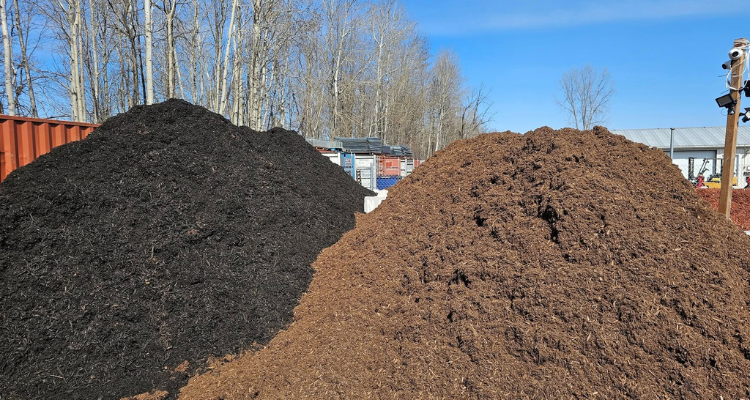
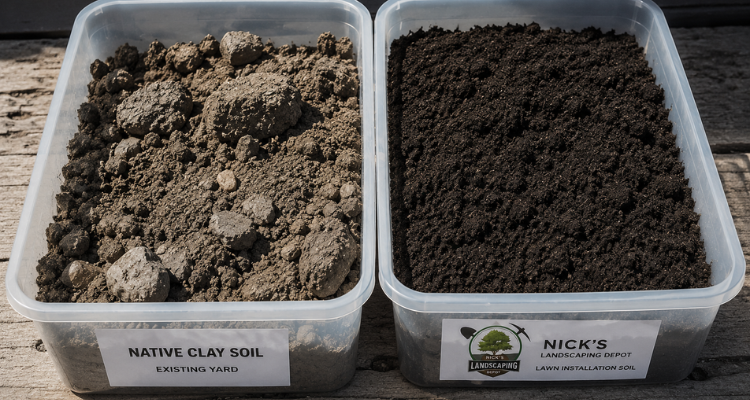
It is essential to distinguish between ordinary topsoil and dedicated lawn installation soil. Basic topsoil frequently contains clay aggregates, stone fragments, and weed seeds. Professional lawn installation soil is a refined growing medium engineered specifically for turf grass root zones. A superior blend typically includes:
- Screened sandy loam for firm yet non-compacting root penetration
- Aged compost to supply slow-release nutrients
- Fine grade sand to improve drainage and reduce surface crusting
- A balanced pH range between 6.0 and 6.5, optimal for Kentucky bluegrass and tall fescue
- Low soluble salt content to prevent desiccation of seedlings
Generic topsoil lacks these refinements. Using unamended native clay or poorly screened fill material condemns new grass to struggle from emergence onward.
Assessing Your Existing Site Conditions
Before importing any new material, evaluate your current lawn area. Dig a small pit approximately twenty centimetres deep. If the native ground is heavy clay, it will feel sticky when moist and form a dense layer. If it is excessively sandy, water will drain away within minutes. Neither extreme supports healthy turf.
Perform a simple drainage assessment. Fill the hole with water and time the drawdown. If water persists after six hours, drainage is inadequate. If water vanishes in under fifteen minutes, the site cannot retain sufficient moisture. Professional lawn installation soil corrects both scenarios by introducing a balanced loam matrix.
Step-by-Step Guide to Lawn Area Preparation
Proper preparation with quality lawn installation soil follows a disciplined process. Rushing any step compromises the final result.
Step 1: Clear the Site Thoroughly
Remove all existing vegetation, including perennial weeds, old sod, and stones larger than three centimetres. Do not simply till weeds into the ground. Russell lawns commonly contend with creeping charlie and quack grass rhizomes, which require complete extraction.
Step 2: Grade for Positive Drainage
Using a rake or grading box, shape the bare ground to slope gently away from building foundations. A minimum fall of two percent directs surface water away from the lawn area. Puddling low spots invite moss and shallow rooting.
Step 3: Apply and Blend the Lawn Installation Soil
Spread a uniform layer of lawn installation soil to a depth of ten to fifteen centimetres over the prepared subgrade. For properties with severe native clay, incorporate this new material into the top eight centimetres of existing ground using a rototiller. This blending zone prevents the formation of a textural boundary.
Step 4: Perform Final Surface Levelling
Rake the surface to a smooth, consistent finish. Lightly firm the bed by rolling with a water-filled lawn roller. The goal is a surface that is firm enough to walk on without deep footprints but still friable enough to accept seed.
Step 5: Seed and Initiate Moisture Management
Sow your turf seed mixture at the recommended rate. Lightly rake the seed into the top one centimetre of lawn installation soil. Begin watering with a fine mist, keeping the top three centimetres consistently moist until germination occurs.
Long-Term Maintenance for New Grass
Germination typically occurs within seven to twenty-one days. Once seedlings reach eight centimetres, perform the first mowing with a sharp blade set at six centimetres. Fertilise lightly four weeks after emergence using a slow-release starter fertiliser. Irrigate deeply but infrequently, encouraging roots to pursue moisture downward.
For authoritative guidance on turfgrass management suited to Canadian climates, refer to Agriculture and Agri-Food Canada, which provides research-derived recommendations for Eastern Ontario.
Common Errors That Undermine Lawn Installation
Avoid these frequent mistakes when using lawn installation soil in Russell:
- Spreading material too thinly: Less than eight centimetres fails to create a meaningful root zone.
- Tilling too deeply into heavy clay: This brings large clay clods to the surface.
- Planting without firming the bed: Loose soil desiccates tender seedlings.
- Over-watering after germination: Saturated conditions favour fungal disease.
Why Choose Nick’s Landscaping Depot
Local expertise matters. Nick’s Landscaping Depot formulates materials specifically for Eastern Ontario’s glacial till geology. Their professional lawn installation soil is screened to remove debris, weed seeds, and oversized aggregates. Staff provide honest, site-specific advice on volume calculations and delivery logistics. Bulk pricing and flexible delivery to any Russell address make large projects feasible without repeated trips to retail centres.
Conclusion
Nurturing beautiful new grass begins with one fundamental choice. You can gamble on cheap fill or unamended native clay, accepting thin germination and weed invasion. Or you can invest in professional lawn installation soil that works with your chosen grass species to produce a dense, resilient turf. By following proper preparation techniques and sourcing materials from Nick’s Landscaping Depot, you create a living root zone that rewards you with deeper green colour and improved drought tolerance. Contact us today to arrange delivery of premium lawn installation soil for your Russell property.