Topsoil Delivery Service In Russell: 7 Common Mistakes Homeowners Make

Topsoil Delivery Service In Russell: 7 Common Mistakes Homeowners Make

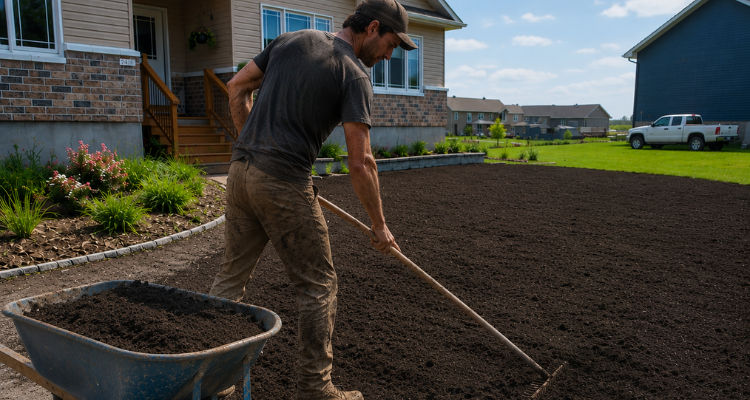
A landscaping project usually feels exciting in the beginning. You picture a smooth lawn, fresh garden beds, or a cleaner outdoor space. Then delivery day arrives, and suddenly the project feels more stressful than expected.

Many homeowners underestimate how much planning goes into a successful soil delivery. A small mistake can slow down grading, planting, or lawn installation work very quickly. Poor measurements, wrong soil choices, and blocked delivery access are all common problems during the busy landscaping season.

A reliable topsoil delivery service helps homeowners avoid unnecessary delays, but preparation still matters. Many outdoor projects become easier when homeowners first review available bulk topsoil and landscaping materials before scheduling delivery.

Why Topsoil Delivery Problems Are So Common

Most landscaping delays happen before any soil touches the ground. Homeowners often focus on the final result instead of the preparation stage. That creates avoidable mistakes once delivery day arrives.

Landscaping projects in Russell usually move quickly during spring and summer. Contractors, lawn installers, and planting crews often work within short weather windows. If soil delivery gets delayed, the entire project schedule can shift.

Many homeowners also underestimate how much soil they need. A yard may look level from a distance, but still require additional material for proper grading and levelling.

Ordering The Wrong Type Of Soil

Not every soil works for every landscaping project. Some homeowners order regular fill soil when they actually need screened topsoil or garden soil.

That mistake usually becomes visible after planting or lawn installation begins.

Screened Topsoil And Garden Soil Serve Different Purposes

Screened topsoil works well for grading, levelling, and lawn preparation. It creates a smoother finish and removes larger debris.

Garden soil contains richer organic material for planting areas. Vegetable gardens and flower beds often need nutrient-rich soil with compost content.

Choosing the right material early helps prevent drainage and growth problems later.

Poor Soil Quality Creates Long-Term Problems

Low-quality soil may contain excess clay, rocks, or uneven texture. That affects root growth and moisture movement across the yard.

The Government of Canada explains that soil is a living and life-giving natural resource through its agricultural soil resources information. Healthy soil structure supports stronger lawns, better planting conditions, and more stable landscaping surfaces.
Incorrectly Measuring The Project Area

Measurement mistakes are one of the biggest reasons homeowners overspend on bulk topsoil delivery.

Many people estimate soil needs visually instead of calculating proper depth requirements.

Small Errors Usually Become Expensive

Ordering too little soil creates additional delivery costs later. Ordering too much leaves excess material sitting on the property after work finishes.

This happens frequently with lawn installation soil because fresh grading usually requires deeper coverage than expected.

Homeowners Often Forget Important Areas

Side yards commonly get overlooked during measurements. Slopes and low drainage spots also require more soil than flat surfaces.

Raised garden beds, tree planting zones, and walkway edges can increase the total soil volume quickly.

Failing To Prepare for Delivery Access

Delivery access problems are extremely common during landscaping season in Russell.

Soft lawns, narrow driveways, and parked vehicles can limit where the truck safely unloads material.

Soil Placement Affects The Entire Project

The delivery location matters more than most homeowners expect. Soil dropped too far from the work area creates extra labour later.

A properly planned drop location keeps landscaping projects cleaner and easier to manage.

Overhead Obstacles Can Slow Delivery

Tree branches, utility wires, and fencing sometimes restrict truck access. Wet ground conditions can also create problems during spring delivery periods.

These small access issues often delay bulk topsoil delivery more than homeowners realize.

Waiting Too Long During Peak Season

Many homeowners wait until landscaping work has already started before arranging soil delivery. By that point, delivery schedules may already be heavily booked.

Spring Landscaping Demand Builds Quickly

Topsoil delivery requests in Russell increase rapidly once warmer temperatures arrive. Weekend delivery times usually become limited first.

Early scheduling gives homeowners more flexibility during busy months.

Weather Conditions Affect Delivery Timing

Wet weather can soften lawns and compact delivery areas. Heavy rainfall also changes soil conditions during transport and spreading.

The Government of Ontario explains that climate change is affecting Ontario’s weather patterns through provincial environmental reporting.

That seasonal unpredictability makes early planning even more important for outdoor projects.

Choosing Price Instead Of Soil Quality

Cheap soil sometimes creates expensive landscaping problems later. Low-quality materials may contain poor texture, debris, or excessive clay content.

Better Soil Supports Better Results

High-quality screened topsoil spreads more evenly and supports healthier root growth. That matters for lawns, planting beds, and grading projects. Good soil also reduces the chance of uneven settling later.

Cheap Material Often Requires Extra Work

Some homeowners try to save money up front by purchasing lower-quality soil. Unfortunately, correcting work later often costs more than expected.

Replacing poor material, improving drainage, or fixing lawn problems adds unnecessary expense to the project.

Ignoring Drainage And Grading Requirements

Topsoil alone cannot solve drainage problems around a property.

Some homeowners believe adding extra soil automatically fixes standing water issues. In reality, grading direction matters much more.

Water Must Move Away From Structures

Poor grading can direct moisture toward foundations and landscaping features. Surface slope plays a major role in protecting outdoor spaces.

The Government of Canada explains that proper grading helps direct water away from buildings,” within residential drainage guidance.

Proper grading helps protect both landscaping investments and residential structures.

Some Projects Need More Than Topsoil

Drainage gravel may also be necessary beneath topsoil in some areas. This commonly applies around retaining walls, walkways, and low drainage sections.

Many homeowners planning larger landscaping upgrades also combine soil work with bulk gravel and drainage materials for better long-term stability.

Ordering Soil Too Late In The Project

Topsoil often needs to arrive earlier than homeowners expect. Lawn preparation, grading work, and planting usually depend on soil already being available on-site.

Landscaping Projects Depend On Timing

A delayed delivery can slow down every stage afterward. Contractors may need to reschedule if grading or preparation work cannot continue. That creates unnecessary stress during the active landscaping season.

Smaller Projects Sometimes Benefit From Pickup

Bulk soil pickup can work well for smaller residential projects. Homeowners handling minor garden upgrades may prefer faster pickup options instead of scheduling delivery. The best option usually depends on project size, property access, and timing.

Conclusion

Most landscaping delivery problems begin with small planning mistakes. Incorrect measurements, rushed scheduling, and poor access preparation can quickly slow down a project.

A properly planned topsoil delivery service helps homeowners complete grading, planting, and lawn installation projects more efficiently. Good preparation also improves delivery timing, material placement, and long-term landscaping performance.

Russell homeowners planning outdoor work this season usually benefit from scheduling bulk topsoil delivery before peak landscaping demand begins.

About Us

Nick’s Landscaping Depot supplies bulk landscaping materials for homeowners across Russell, Casselman, Rockland, Metcalfe, and nearby Ontario communities. 

The depot provides screened topsoil, garden soil, mulch, gravel, decorative stone, sand, and seasonal delivery services for residential landscaping projects.

Homeowners planning outdoor improvements can explore available materials or arrange delivery by contacting us directly.
Nurturing Beautiful New Grass With High Quality Lawn Installation Soil in Russell

A resilient, deep-green lawn does not appear by chance. It is the product of meticulous site preparation and a genuine understanding of what lies beneath the surface. For property owners in Russell, where seasonal temperature swings and periodic summer drought stress cool-season turf, the composition of your top few centimetres of ground determines whether new grass germinates vigorously or falters into a thin, weedy stand. The single most effective investment is securing high quality lawn installation soil from a trusted local supplier such as Nick’s Landscaping Depot.

What Constitutes Professional Lawn Installation Soil

It is essential to distinguish between ordinary topsoil and dedicated lawn installation soil. Basic topsoil frequently contains clay aggregates, stone fragments, and weed seeds. Professional lawn installation soil is a refined growing medium engineered specifically for turf grass root zones. A superior blend typically includes:

  • Screened sandy loam for firm yet non-compacting root penetration
  • Aged compost to supply slow-release nutrients
  • Fine grade sand to improve drainage and reduce surface crusting
  • A balanced pH range between 6.0 and 6.5, optimal for Kentucky bluegrass and tall fescue
  • Low soluble salt content to prevent desiccation of seedlings

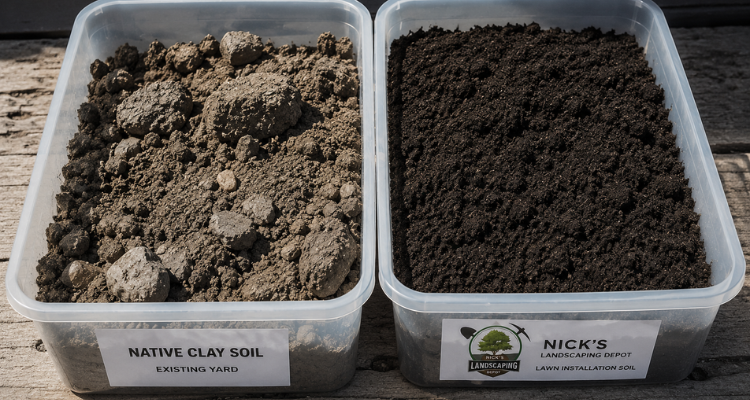
Generic topsoil lacks these refinements. Using unamended native clay or poorly screened fill material condemns new grass to struggle from emergence onward.

Assessing Your Existing Site Conditions

Before importing any new material, evaluate your current lawn area. Dig a small pit approximately twenty centimetres deep. If the native ground is heavy clay, it will feel sticky when moist and form a dense layer. If it is excessively sandy, water will drain away within minutes. Neither extreme supports healthy turf.

Perform a simple drainage assessment. Fill the hole with water and time the drawdown. If water persists after six hours, drainage is inadequate. If water vanishes in under fifteen minutes, the site cannot retain sufficient moisture. Professional lawn installation soil corrects both scenarios by introducing a balanced loam matrix.

Step-by-Step Guide to Lawn Area Preparation

Proper preparation with quality lawn installation soil follows a disciplined process. Rushing any step compromises the final result.

Step 1: Clear the Site Thoroughly

Remove all existing vegetation, including perennial weeds, old sod, and stones larger than three centimetres. Do not simply till weeds into the ground. Russell lawns commonly contend with creeping charlie and quack grass rhizomes, which require complete extraction.

Step 2: Grade for Positive Drainage

Using a rake or grading box, shape the bare ground to slope gently away from building foundations. A minimum fall of two percent directs surface water away from the lawn area. Puddling low spots invite moss and shallow rooting.

Step 3: Apply and Blend the Lawn Installation Soil

Spread a uniform layer of lawn installation soil to a depth of ten to fifteen centimetres over the prepared subgrade. For properties with severe native clay, incorporate this new material into the top eight centimetres of existing ground using a rototiller. This blending zone prevents the formation of a textural boundary.

Step 4: Perform Final Surface Levelling

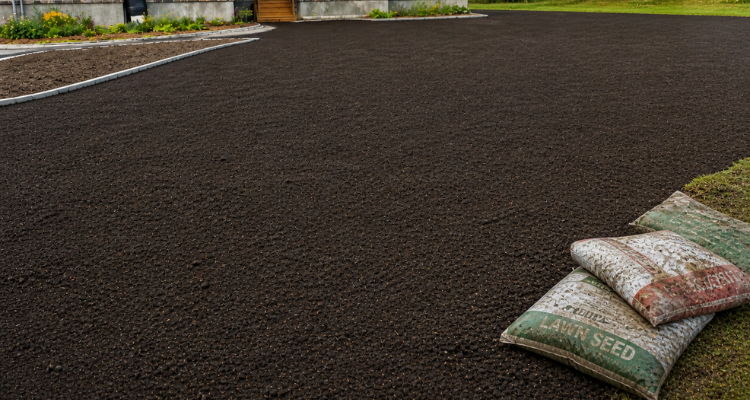
Rake the surface to a smooth, consistent finish. Lightly firm the bed by rolling with a water-filled lawn roller. The goal is a surface that is firm enough to walk on without deep footprints but still friable enough to accept seed.

Step 5: Seed and Initiate Moisture Management

Sow your turf seed mixture at the recommended rate. Lightly rake the seed into the top one centimetre of lawn installation soil. Begin watering with a fine mist, keeping the top three centimetres consistently moist until germination occurs.

Nurturing Beautiful New Grass With High Quality Lawn Installation Soil in Russell

Long-Term Maintenance for New Grass

Germination typically occurs within seven to twenty-one days. Once seedlings reach eight centimetres, perform the first mowing with a sharp blade set at six centimetres. Fertilise lightly four weeks after emergence using a slow-release starter fertiliser. Irrigate deeply but infrequently, encouraging roots to pursue moisture downward.

For authoritative guidance on turfgrass management suited to Canadian climates, refer to Agriculture and Agri-Food Canada, which provides research-derived recommendations for Eastern Ontario.

Common Errors That Undermine Lawn Installation

Avoid these frequent mistakes when using lawn installation soil in Russell:

  • Spreading material too thinly: Less than eight centimetres fails to create a meaningful root zone.
  • Tilling too deeply into heavy clay: This brings large clay clods to the surface.
  • Planting without firming the bed: Loose soil desiccates tender seedlings.
  • Over-watering after germination: Saturated conditions favour fungal disease.

Why Choose Nick’s Landscaping Depot

Local expertise matters. Nick’s Landscaping Depot formulates materials specifically for Eastern Ontario’s glacial till geology. Their professional lawn installation soil is screened to remove debris, weed seeds, and oversized aggregates. Staff provide honest, site-specific advice on volume calculations and delivery logistics. Bulk pricing and flexible delivery to any Russell address make large projects feasible without repeated trips to retail centres.

Conclusion

Nurturing beautiful new grass begins with one fundamental choice. You can gamble on cheap fill or unamended native clay, accepting thin germination and weed invasion. Or you can invest in professional lawn installation soil that works with your chosen grass species to produce a dense, resilient turf. By following proper preparation techniques and sourcing materials from Nick’s Landscaping Depot, you create a living root zone that rewards you with deeper green colour and improved drought tolerance. Contact us today to arrange delivery of premium lawn installation soil for your Russell property.

Feeding Your Beautiful Garden Beds With Premium Soil for Planting in Russell

A thriving garden is not an accident. It is the result of deliberate preparation, consistent care, and above all, a deep understanding of what lies beneath the surface. For property owners in Russell, where the growing season is compressed between late frosts and humid summer heat, the condition of your garden beds determines whether your vegetables, perennials, or ornamental shrubs merely survive or genuinely flourish. The single most effective investment you can make is securing premium soil for planting from a trusted local supplier such as Nick’s Landscaping Depot.

What Constitutes Premium Soil for Planting

It is important to distinguish between generic topsoil and dedicated soil for planting. Basic topsoil serves as a landscape filler or levelling agent. It may contain variable amounts of sand, silt, clay, and minimal organic matter. Premium soil for planting, by contrast, is a refined blend engineered for active root zones. It typically includes:

  • Aged compost or fully decomposed organic matter to supply slow-release nitrogen
  • Coarse sand or fine perlite to maintain pore space for oxygen exchange
  • A balanced loam texture that retains moisture without becoming anaerobic
  • A neutral to slightly acidic pH range between 6.0 and 6.8 for most garden plants
  • Active microbial colonies that assist in breaking down organic nutrients

Assessing Your Existing Garden Bed Conditions

Before applying any new material, evaluate your current garden beds. Dig down fifteen centimetres and collect a handful of soil. Squeeze it firmly. If it forms a dense, sticky ball that refuses to crumble, you have excessive clay. If it falls apart immediately and feels gritty, you have sandy soil. Neither extreme supports healthy gardens without amendment.

Perform a percolation test by digging a hole twenty centimetres deep, filling it with water, and timing the drainage. If water remains after four hours, your bed suffers from poor drainage, leading to root rot. If water vanishes in under ten minutes, your bed cannot retain moisture for plant uptake. Premium soil for planting corrects both extremes by introducing organic matter that buffers texture and optimises water behaviour.

Step-by-Step Guide to Feeding Your Garden Beds

Proper bed preparation with high-grade soil for planting follows a methodical process. Do not rush these steps.

Step 1: Remove Existing Debris and Weeds 

Clear the bed of all perennial weed roots, old mulch, stones larger than three centimetres, and any plant residue from previous seasons. Do not simply till weeds into the ground. Many Russell gardens contend with bindweed, quack grass, and thistle. These require manual removal.

Step 2: Loosen the Existing Subgrade 

Using a garden fork or a mechanical tiller set to shallow depth, break up the native soil to a depth of fifteen centimetres. This fracture zone prevents the creation of a hard pan boundary between your new soil for planting and the original ground. Roots must be able to transition between layers without stress.

Step 3: Calculate Your Volume Requirements 

For most vegetable and flower beds, a ten to fifteen centimetre layer of premium soil for planting is sufficient. For root vegetables such as carrots or potatoes, increase depth to twenty-five centimetres. Measure length by width by desired depth in metres to determine cubic metres. Ordering from Nick’s Landscaping Depot in bulk quantities above one cubic metre proves far more economical than retail bags.

Step 4: Apply and Mix a Transition Layer 

Spread a five centimetre layer of soil for planting over the loosened native ground. Lightly incorporate this layer into the top five centimetres of existing soil using a rake or tiller. This blending zone encourages roots to penetrate deeper and reduces moisture stress during dry spells.

Step 5: Add the Final Growing Layer 

Distribute the remaining soil for planting evenly across the bed. Rake to a consistent depth without over-working the surface. Over-raking breaks down soil aggregates and can cause surface crusting, which impedes seedling emergence.

Step 6: Settle and Moisturise Before Planting 

Water the bed thoroughly using a gentle shower setting. Allow two to three days for natural settlement. Add small amounts of additional material to any depressions. Your bed is now ready for direct seeding or transplanting. Avoid walking on the finished surface to preserve pore space.

Feeding Your Beautiful Garden Beds With Premium Soil for Planting in Russell

Long-Term Maintenance of Planting Beds

Even the finest soil for planting requires stewardship. Each growing season depletes organic matter and nutrients. Replenish your beds annually with a two to three centimetre top-dressing of compost or fresh planting mix. Rotate crop families each year to prevent pathogen build-up. Mulch exposed soil surfaces with straw, shredded leaves, or untreated wood chips to moderate soil temperature and suppress weeds.

For guidance on seasonal land management and sustainable gardening practices in Eastern Ontario, consult Agriculture and Agri-Food Canada, which provides research-based recommendations for soil health and crop rotation tailored to Canadian climates.

Common Errors That Undermine Your Soil Investment

Avoid these frequent mistakes when using soil for planting in Russell gardens:

  • Mixing unamended clay into your new soil: This reverses texture improvements and recreates drainage problems.
  • Planting immediately after application without settlement: Loose soil shifts around roots, creating air pockets that desiccate tender roots.
  • Using garden soil in containers: Soil for planting intended for ground beds is too dense for pots. Use container-specific mixes for planters.
  • Neglecting annual pH testing: Russell’s natural water and decomposing organic matter can shift pH over time. Test every two years.

Why Choose Nick’s Landscaping Depot for Your Soil for Planting

Local knowledge matters. Nick’s Landscaping Depot sources and blends materials specifically for Eastern Ontario’s climate and geology. Their premium soil for planting undergoes screening to remove debris and weed seeds. Staff members provide honest guidance on volume calculations, delivery scheduling, and custom blends for vegetable gardens, perennial borders, or raised beds. Bulk pricing and flexible delivery to Russell addresses make large projects feasible without unnecessary trips to big-box retailers.

Conclusion

Feeding your garden beds begins with a fundamental choice. You can struggle against poor native soil, applying synthetic fertilisers as temporary bandages, or you can invest in premium soil for planting that works with nature to support robust growth. By following proper preparation techniques and sourcing materials from Nick’s Landscaping Depot, you create a living root zone that rewards you with higher yields, more vibrant flowers, and fewer maintenance headaches. Contact us today to arrange delivery of professional-grade soil for planting and give your Russell garden the foundation it deserves.

Landscaping Trends in Russell, Ontario for 2026: Ideas, Materials, and What Homeowners Are Choosing

If you’ve looked around Russell lately, you’ve probably noticed something.

Yards are changing.

Homeowners are no longer settling for plain lawns or unused outdoor space. Instead, they are turning their properties into functional, low maintenance areas that actually get used.

Across Russell, Embrun, Rockland, and nearby communities, landscaping demand is growing fast. But what people want in 2026 looks very different from just a few years ago.

If you are planning a yard upgrade this season, understanding the latest landscaping trends in Russell, Ontario for 2026 will help you make better decisions and avoid costly mistakes.

What Landscaping Looks Like in Russell Right Now

Drive through any neighbourhood in Russell and you will start to see a pattern.

Traditional lawns are being broken up. More homes are adding defined spaces like patios, garden beds, and stone features.

Instead of large areas of grass, you will notice a mix of:

  • Mulch
  • Gravel
  • Plants
  • Decorative stone

The goal is simple.
Create a yard that looks good without requiring constant upkeep.

Why Landscaping Trends in Ontario Are Changing in 2026

In Russell, three key factors are driving change:

  • Climate: Hot summers and long winters make high maintenance yards harder to manage
  • Labour costs: More homeowners are choosing DIY instead of hiring everything out
  • Long term value: People want results that last, not quick fixes

Even organizations like Government of Canada emphasize that well-planned outdoor improvements can support both usability and property value.

That mindset is clearly shaping landscaping decisions in 2026.

What Homeowners in Russell Are Prioritizing This Year

Before getting into trends, it helps to understand what people actually care about.

Right now, most homeowners are focused on:

  • Keeping maintenance low
  • Choosing durable materials
  • Creating usable outdoor space
  • Staying within budget

When you look at it this way, the trends are not just about design.
They are practical decisions.

Top Landscaping Trends in Russell, Ontario for 2026

1. Low-Maintenance Landscaping Is Replacing Traditional Lawns

This is the biggest shift right now.

A full grass lawn takes time, water, and constant upkeep. Many homeowners are moving away from that.

Instead, they are using:

  • Mulch
  • Gravel
  • Decorative stone

Why it works:

  • Less maintenance
  • Lower water usage
  • Cleaner appearance

In Russell’s climate, this approach simply makes more sense.

2. Bulk Landscaping Materials Are in High Demand

More homeowners are taking on landscaping projects themselves.

That is why bulk materials are becoming the go-to option.

Instead of small bags, people are buying:

  • Bulk topsoil
  • Compost
  • Sand
  • Gravel

It is more cost-effective and better suited for larger projects.

For larger projects, sourcing bulk landscaping materials delivery in Russell early can help keep everything on schedule and avoid multiple trips. 

3. Outdoor Living Spaces Are Becoming Essential

Backyards are no longer just something to look at.

They are spaces to use.

Homeowners are adding:

  • Seating areas
  • Patios
  • Fire pit zones

These upgrades turn a yard into a functional extension of the home.

To build these spaces, materials like gravel, base layers, and stone are used more than ever.

4. Natural and Organic Landscape Designs

Perfect, structured layouts are becoming less popular.

Homeowners are moving toward:

  • Native plants
  • Mixed garden beds
  • Softer, more natural layouts

The goal is a space that feels relaxed and easy to maintain.

Insights from Canadian Wildlife Federation support this shift toward more sustainable and natural landscaping.

5. Decorative Stone Is Replacing Grass Areas

Decorative stone is becoming a practical solution for many yards.

It works well for:

  • Pathways
  • Borders
  • Feature areas

It also solves common issues like poor drainage.

Instead of struggling with grass, homeowners are choosing a cleaner, long lasting alternative.

6. Small Scale DIY Landscaping Projects Are Growing

Not every project needs to be a full yard renovation.

Many homeowners are starting smaller with:

  • Raised garden beds
  • Flower areas
  • Entryway upgrades

These projects are easier to manage and still make a big visual impact.

What Works Best for Russell Properties

Not every landscaping idea works the same everywhere.

Russell has its own conditions that matter.

Keep these in mind:

  • Soil quality can vary across properties
  • Drainage is important, especially during snowmelt
  • Larger lots often require more material planning
  • Rural and suburban layouts need different approaches

Understanding these factors helps you avoid common problems.

Most Popular Landscaping Materials in Russell Right Now

If you look at active projects in Russell, you will see the same materials used again and again.

Bulk Topsoil

Used for lawn prep, garden beds, and levelling uneven areas.

Mulch

Helps retain moisture, reduce weeds, and improve appearance.

Gravel

Used for drainage, base layers, and pathways.

Decorative Stone

Adds visual appeal while reducing maintenance.

Why Buying Landscaping Materials Locally in Russell Matters

Buying locally has real advantages:

  • Faster delivery
  • Lower transportation costs
  • Better product availability
  • Materials suited for local conditions

It also makes adjustments easier if your project changes.

Working with a reliable local landscaping supplies provider in Russell helps ensure you get the right materials when you need them, without delays.

Before wrapping up, here are some common questions homeowners in Russell ask when planning their landscaping projects.

FAQs: Landscaping Trends in Russell, Ontario

What are the top landscaping trends in Ontario for 2026?

Low maintenance landscaping, natural designs, and functional outdoor spaces are leading trends across Ontario.

What is the cheapest way to landscape a yard?

Using bulk materials like mulch and gravel and completing DIY projects is one of the most cost-effective approaches.

Is mulch better than grass in Ontario?

In many cases, yes. Mulch requires less maintenance, uses less water, and helps control weeds.

What materials are best for low-maintenance landscaping?

Gravel, decorative stone, and mulch are the most commonly used materials for low-maintenance outdoor spaces.

About Nick’s Landscaping Depot

At Nick’s Landscaping Depot, we work with homeowners across Russell and nearby communities every day. We see how projects come together and what materials actually perform well in this area.

Whether you are refreshing a garden bed or planning a full yard upgrade, having the right supplies makes everything easier.

We stock bulk topsoil, mulch, gravel, and decorative stone so you can get what you need without delays.

Contact Us today to plan your materials and arrange delivery. We are here to help you choose the right materials, arrange delivery, and get your project moving in the right direction.

Preparing Your Land for Growth With Nutrient Rich Bulk Topsoil in Russell

A successful landscaping project begins long before the first planting. It begins with the ground beneath your feet. In Eastern Ontario, where seasonal extremes test plant resilience, the quality of your foundational growing medium is non-negotiable. Properly preparing your land with nutrient-rich bulk topsoil establishes conditions for deep root penetration, efficient water management, and long-term plant vigour.

Many property owners in Russell encounter persistent problems such as stunted shrubs, yellowing vegetables, or grass that thins after winter. Often, the issue is not poor plant selection but inadequate soil quality. If you aim to cultivate a landscape that withstands freeze-thaw cycles and summer dry spells, start with professional land preparation and premium bulk topsoil from Nick’s Landscaping Depot.

Why Topsoil Quality Determines Growth Potential

Topsoil is a biologically active matrix of mineral particles, organic matter, water, air, and microorganisms. This layer, typically the top fifteen to twenty centimetres, serves as the primary nutrient exchange zone for roots. Inferior topsoil lacks the organic carbon necessary to feed soil microbes, leading to compaction and poor nutrient availability.

In Russell, native soil often leans toward heavy clay or excessively sandy compositions. Unamended native soil rarely provides an ideal growing balance. High-quality bulk topsoil offers measurable advantages:

  • Increases water-holding capacity by up to 50 percent compared to sandy soils
  • Improves aeration in clay-dominant ground, reducing surface pooling
  • Provides sustained release of essential macronutrients
  • Reduces the frequency of supplemental fertiliser applications

Step-by-Step Guide to Preparing Your Land

Proper land preparation follows a logical sequence. Skipping steps compromises your new topsoil layer.

Step 1: Assess Existing Ground Conditions

Dig a test hole twenty centimetres deep. Dark, crumbly soil with an earthy odour indicates reasonable organic matter. Grey, sticky soil suggests poor drainage. Very pale, gritty soil indicates low fertility. Perform a compaction test by pushing a screwdriver into the ground. If you cannot penetrate beyond five centimetres, mechanical aeration or tilling is necessary before topsoil application.

Step 2: Calculate Required Volume

For most planting beds and lawn renovations, a topsoil depth of ten to fifteen centimetres is sufficient. For vegetable gardens, aim for twenty centimetres. Use this formula: length multiplied by width multiplied by desired depth (in metres) equals cubic metres. Ordering bulk topsoil by the cubic metre from Nick’s Landscaping Depot is significantly more economical than bagged alternatives for any area exceeding ten square metres.

Step 3: Clear and Rough Grade the Site

Remove all existing vegetation, including weeds, old mulch, and sod. Clear the area of stones larger than three centimetres, buried debris, and old root systems. Rough grading establishes overall contour. Slope the ground away from building foundations at approximately two percent (two centimetres of drop per metre of run) to direct water away from structures.

Step 4: Incorporate Amendments Into Native Soil

Simply placing bulk topsoil over compacted native ground creates a layered effect. Roots often hesitate to cross the boundary. Till existing soil to a depth of ten centimetres before topsoil application. If your native soil is heavy clay, incorporate coarse sand. If very sandy, incorporate aged compost or peat moss. This blending zone encourages deeper root penetration.

Step 5: Spread and Incorporate Bulk Topsoil

Distribute bulk topsoil evenly across the prepared ground using a wheelbarrow and spade. Spread in lifts of five to eight centimetres at a time. After each lift, lightly water to encourage settlement and reveal low spots. Continue until you reach target depth. For the final lift, use a landscaping rake to create a smooth surface without over-raking, which can cause crusting.

Step 6: Final Settlement and Planting Preparation

Water the entire area thoroughly with a gentle spray. Wait two to four days, then inspect the surface. Fill any depressions with additional topsoil and gently firm the area. For seed planting, lightly rake the surface to create fine furrows. For sod, roll the area with a water-filled lawn roller. For garden beds, proceed with planting while avoiding stepping on loose soil.

Preparing Your Land for Growth With Nutrient Rich Bulk Topsoil in Russell

Common Errors That Undermine Topsoil Performance

Even high-quality bulk topsoil cannot compensate for poor preparation. Avoid these frequent mistakes:

  • Applying topsoil over untreated weeds: Perennial weeds will grow through new soil
  • Neglecting drainage grading: Flat ground leads to waterlogged roots
  • Compacting soil before planting: Working on wet soil destroys pore space
  • Using insufficient depth: Shallow applications dry out rapidly
  • Mixing unamended clay into topsoil: This reverses textural improvements

Why Local Sourcing Matters in Russell

For reference on safe seasonal land and property preparation conditions in Canada, Transport Canada provides guidance on environmental and seasonal impacts that affect outdoor work and soil conditions

Choosing Nick’s Landscaping Depot ensures consistent, tested material free from weed seeds, flexible delivery scheduling, knowledgeable staff familiar with Eastern Ontario’s soil challenges, and competitive bulk pricing.

Reliable bulk topsoil transforms marginal ground into productive land. Whether you are establishing a vegetable garden, repairing a lawn, or building perennial beds, soil quality determines your success.

Conclusion

Preparing your land for growth demands methodical assessment, grading, and material selection. By following proper techniques and investing in nutrient-rich bulk topsoil, you create an environment that supports vigorous root systems, retains moisture, and reduces long-term maintenance. Nick’s Landscaping Depot serves as a trusted partner for Russell property owners seeking professional-grade landscaping materials. Contact us today to schedule your delivery and begin your land improvement project with confidence.

The Most Cost-Effective Landscape Rock Supplies for Large Properties

Managing a large property comes with a unique set of landscaping challenges. Whether it’s an acreage, rural estate, or an expansive residential lot, maintaining both functionality and visual appeal can quickly become time-consuming and expensive.

For property owners looking to cover large areas, control erosion, or define outdoor spaces, landscape rock offers a highly efficient solution. Unlike organic mulch that requires annual replacement, landscape rock provides long-term coverage with minimal maintenance.

The key to cost-effectiveness lies in choosing the right material, understanding how much you need, and sourcing it at competitive bulk pricing.

Why Landscape Rock Makes Sense for Large Properties

Large properties demand more upkeep than smaller lots. Extensive lawns require regular mowing, garden beds need constant attention, and sloped areas are often prone to erosion.

Landscape rock helps reduce these challenges by offering:

  • Lower maintenance: eliminates mowing, trimming, and frequent weeding
  • Erosion control: stabilizes soil on slopes and around foundations
  • Durability: withstands harsh weather and freeze-thaw cycles
  • Long-term value: lasts for years without replacement costs

Understanding Bulk Rock Measurements

Before placing an order, it’s important to understand how landscape rock is measured and priced.

Most decorative rock and gravel are sold by the cubic yard. As a general guideline, one cubic yard will cover about 100 square feet at a depth of three inches. For larger projects, this adds up quickly, a 5,000-square-foot area will require approximately 50 cubic yards.

Some heavier materials, such as river rock, may be sold by weight instead. A cubic yard typically weighs between 2,500 and 3,000 pounds, depending on the type of stone.

Because of the volume involved, delivery becomes a key factor. Ordering in bulk, especially by full truckload, helps reduce the overall cost per unit.

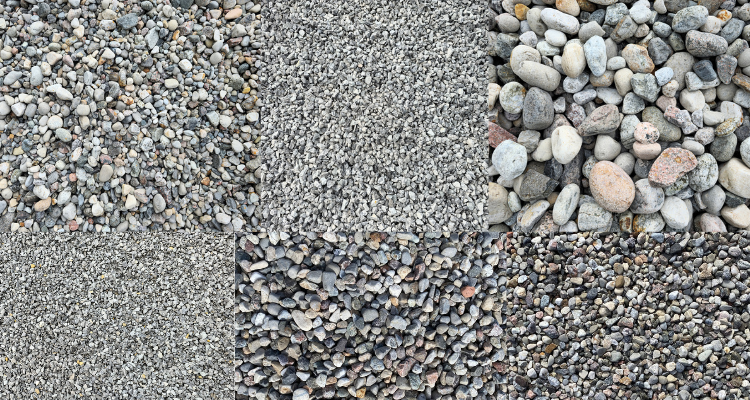
Most Cost-Effective Rock Types

Choosing the right material depends on how and where it will be used. Each option offers a different balance of cost, performance, and appearance.

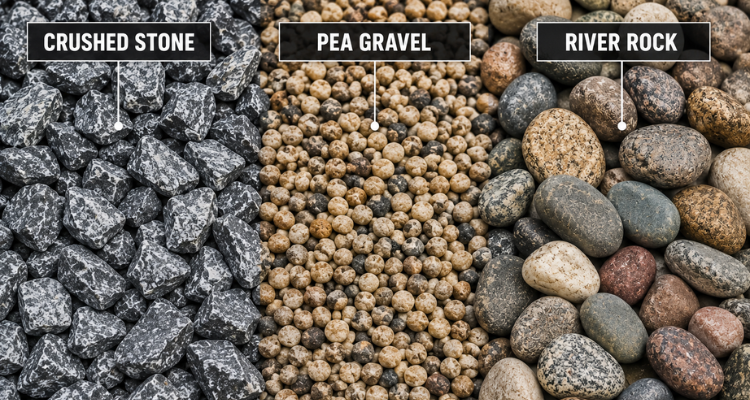
Crushed Stone

One of the most affordable and widely used materials, crushed stone is ideal for functional areas where stability matters.

  • Best for: driveways, service roads, drainage areas
  • Available in: grey, limestone white, granite blends
  • Key advantage: compacts tightly and resists shifting

Pea Gravel

Pea gravel consists of small, smooth stones that are comfortable underfoot and visually appealing.

  • Best for: pathways, play areas, garden borders
  • Colours: natural earth tones like tan, brown, and grey
  • Key advantage: versatile and easy to work with

Recycled Concrete Aggregate

For those focused on budget and sustainability, recycled concrete aggregate is often the most economical choice.

  • Best for: driveway bases, laneways, erosion control
  • Colour: grey
  • Key advantage: lowest cost with reliable performance

River Rock

River rock is a premium material known for its smooth texture and natural look. Due to its higher cost, it’s best used selectively.

  • Best for: accent areas, dry creek beds, decorative features
  • Colours: mixed tones including grey, brown, cream, and rust
  • Key advantage: strong visual appeal

The Most Cost-Effective Landscape Rock Supplies for Large Properties

Cost Comparison by Application

Using the right material in the right place is one of the easiest ways to control costs.

  • Driveways and parking areas: crushed stone or recycled aggregate offer the best value
  • Pathways and walkways: pea gravel provides comfort and flexibility
  • Erosion control: larger crushed stone delivers strong stability
  • Decorative features: river rock works best when used sparingly

Calculating Volume Requirements

Accurate calculations help avoid unnecessary expenses and delays. The process is straightforward:

  • Measure the total area in square feet
  • Determine the required depth (2–3 inches for ground cover, 4–6 inches for driveways)
  • Multiply square footage by depth, then divide by 27 to convert to cubic yards.

If you’re unsure, most suppliers can help confirm your calculations before ordering.

Reducing Costs Through Smart Purchasing

A few strategic decisions can significantly lower your overall project cost:

  • Order full truckloads to reduce delivery cost per yard
  • Choose locally sourced materials to avoid transport surcharges
  • Combine orders for potential discounts
  • Buy during the off-season when demand and pricing, may be lower
  • Consider recycled materials for budget-friendly performance

Installation Tips for Large Properties

Proper installation ensures your landscape rock performs well over time. Skipping this step can lead to shifting, sinking, or weed growth.

For best results:

  • Clear vegetation and topsoil before installation
  • Install landscape fabric to prevent weeds and settling
  • Use edging to keep the rock contained
  • Apply material in layers for deeper coverage
  • Perform occasional maintenance, especially in high-traffic areas

Why Choose Nick’s Landscaping Depot

Large-scale projects require a supplier that understands both materials and logistics. Nick’s Landscaping Depot provides bulk landscape rock at competitive prices, along with delivery services suited for rural and large properties.

Customers also benefit from expert guidance on product selection and volume calculations, helping ensure the project runs smoothly from start to finish.

Conclusion

Cost-effective landscaping for large properties comes down to making smart, informed decisions. Crushed stone and recycled aggregate provide excellent value for functional areas, while pea gravel works well for pathways and recreational spaces. River rock, although more expensive, adds visual impact when used strategically.

By combining the right materials with accurate planning and efficient purchasing, property owners can create a durable, low-maintenance landscape that delivers long-term value. Contact us today to discuss your large property project and request a bulk quote.

Experts Guide on How to Prepare Soil for Lawn Installation

A healthy lawn starts long before the first blade of grass appears. It begins beneath the surface. Properly prepared lawn installation soil is the foundation for drainage, root development, and long-term resilience.

Many homeowners in Russell face issues like brown patches, pooling water, or grass that fails to survive the winter. In most cases, the root cause is poor soil preparation. If you want a lawn that thrives in Eastern Ontario’s climate, start with expert techniques and quality lawn installation soil from Nick’s Landscaping Depot.

Why Soil Preparation Matters for Lawn Success

Soil acts as the life support system for your grass. It holds moisture, delivers nutrients, and anchors roots against foot traffic and frost heave. Poorly prepared soil leads to shallow roots, weed invasion, and rapid die-off during summer dry spells. In Russell, seasonal temperature shifts can exceed 40 degrees annually. This constant freeze-thaw cycle impacts soil structure dramatically.

Proper lawn installation soil preparation reduces these risks by:

  • Improving root penetration by up to 60 percent
  • Reducing water pooling by over 50 percent
  • Lowering long-term maintenance costs significantly

Essential Steps for Preparing Lawn Installation Soil

Step 1: Conduct a Soil Assessment

Before you amend anything, you must understand what you currently have. Guessing leads to wasted money and poor results.

Three simple tests to perform:

Test Type How to Perform What It Tells You
Texture Test Squeeze moist soil in your hand Clay forms a tight ball; sandy soil falls apart
Compaction Test Push a screwdriver into the ground Difficult penetration means severe compaction
pH Test Use a kit from Nick’s Landscaping Depot Most grasses need 6.0 to 7.0

Eastern Ontario soil tends to be naturally acidic due to forest decomposition and rainfall patterns.

Step 2: Clear and Grade the Area

Proper preparation begins with a clean slate. Remove all existing vegetation, including weeds, old grass, and perennial roots. For small areas, manual removal with a flat shovel works well. For larger projects, consider renting a mechanical sod cutter.

Once vegetation is removed, clear the area of:

  • Stones larger than two centimetres
  • Construction debris
  • Buried wood fragments

Step 3: Amend for Texture and Organic Matter

Native landscaping materials rarely provide the ideal balance of sand, silt, and clay. Amending corrects these deficiencies.

For clay soils:

  • Incorporate three to five centimetres of coarse sand
  • Add well-rotted compost to improve structure
  • Sand creates microscopic channels for water movement

For sandy soils:

  • Incorporate four to six centimetres of organic matter
  • Use peat moss or aged compost
  • Organic matter acts like a sponge, holding water for roots

Step 4: Adjust pH and Nutrient Levels

Once texture is corrected, address chemistry.

  • If your soil test reveals a pH below 6.0, apply agricultural limestone to raise it
  • If your soil test shows a pH above 7.2 apply elemental sulphur to lower it

Starter fertilizer requirements:

Step 5: Till and Incorporate Thoroughly

Amendments only work if they are mixed properly into the root zone. The active root zone for turf grass extends fifteen to twenty centimetres deep. Till or rototill the entire area to that depth.

Important tilling guidelines:

  • Make your first pass in one direction
  • Make a second pass perpendicular to the first
  • Break up all large clods until soil texture resembles fine crumbs
  • Avoid tilling when the soil is wet

After tilling:

  • Rake the surface smooth
  • Run a lawn roller half-filled with water over the area
  • Fill low spots with additional lawn soil and roll again

Step 6: Final Grading and Settlement

Before seeding or laying sod, allow the prepared soil to settle naturally.

  • Water the area thoroughly with a fine spray
  • Wait two to three days for drainage and settlement
  • Identify and correct remaining low areas

Final surface guidelines:

  • For sod: soil should be about two centimetres below adjacent hard surfaces
  • For seeding: surface can be slightly higher for proper seed contact

Common Mistakes to Avoid When Preparing Lawn Soil

Many homeowners underestimate how much preparation is required, leading to poor results and wasted money.

Frequent errors include:

  • Working the soil when it is too wet
  • Shallow tilling
  • Skipping the soil test
  • Ignoring drainage grading near foundations
  • Adding too much organic matter

Avoiding these mistakes can reduce long-term costs by up to 40 percent.

Benefits of Buying Lawn Soil Locally in Russell

Local sourcing provides clear advantages for your lawn project.

Advantages of choosing Nick’s Landscaping Depot:

  • Faster delivery
  • Lower transportation costs for bulk materials
  • Better understanding of local soil conditions
  • Strong customer support and guidance

Where to Find Reliable Lawn Soil Installer in Russell

Choosing the right supplier is essential for success.

Look for:

  • A wide product range
  • Bulk delivery options
  • Consistent, climate-tested material quality
  • Knowledgeable staff familiar with local conditions

Conclusion

Preparing soil for a new lawn requires patience and attention to detail, but the results justify the effort. Properly prepared lawn installation soil produces grass that stays green with less watering, resists weeds without chemicals, and survives Eastern Ontario winters without significant dieback.

Nick’s Landscaping Depot is a trusted supplier of landscaping materials in Russell. The team focuses on quality, reliability, and local expertise. We provide bulk topsoil, compost, sand, gravel, and decorative stone for all types of projects. 

Our goal is to help homeowners achieve long-lasting results through proper soil preparation and quality products. Call us today to get your lawn project started.

The Ultimate Guide to Choosing the Right Landscaping Rocks for Homeowners in Russell

Landscaping rocks are not just decorative elements in your yard; they’re a vital part of creating a lasting and functional outdoor space. They can add texture, colour, and dimension to your landscape, while also serving practical purposes such as improving drainage, preventing soil erosion, and reducing maintenance efforts. 

Whether you’re looking to enhance your garden with a natural touch, build a durable pathway, or stabilize soil on a sloped area, the right rocks can make a huge difference in both the aesthetic appeal and functionality of your outdoor space. 

In fact, landscaping rocks are often the key to transforming a plain yard into a visually striking and environmentally efficient space.

In this comprehensive guide, we’ll walk homeowners in Russell through the process of selecting the perfect landscaping rocks for their gardens, pathways, and outdoor spaces. 

Why Landscaping Rocks Matter

Landscaping rocks are more than just an aesthetic choice; they serve a variety of essential functions that contribute to the overall health and design of your landscape. 

From controlling erosion to improving drainage and providing a low-maintenance solution for your garden, these rocks play a crucial role.

Key Benefits of Landscaping Rocks:

  • Aesthetic Appeal: Landscaping rocks create a visually appealing landscape that adds texture, colour, and interest.
  • Durability: Unlike plants, rocks don’t require constant upkeep and remain intact for many years, even under harsh weather conditions.
  • Low Maintenance: Once installed, rocks are easy to maintain, unlike grass or mulch, which need frequent replacement or trimming.
  • Erosion Control: Rocks help stabilize soil, preventing erosion during heavy rains or high winds, especially in sloped yards.
  • Improved Drainage: Many rocks, like gravel and crushed stone, facilitate water drainage, reducing the risk of pooling water around your plants or property.

Types of Landscaping Rocks

Choosing the right type of landscaping rocks depends on your project goals, whether you’re enhancing your garden’s appearance, creating pathways, or addressing drainage issues. Let’s explore the different types of landscaping rocks:

1. Decorative Rocks

These rocks are used primarily for visual appeal. They come in various shapes, sizes, and colours to suit your design needs. Some examples of decorative rocks include:

  • River Rocks: These are smooth, rounded stones in various colours like grey, brown, and cream. They’re perfect for creating serene water features, pathways, or as accents in flower beds.
  • Pebbles: Smaller stones that provide texture and colour variation when spread across garden beds or walkways. They’re great for creating a subtle, natural aesthetic.
  • Crushed Stone: Angular rocks that are perfect for creating a clean, structured look. Crushed stone can be used in modern landscapes or to create hardscaping elements like patios or driveways.

2. Functional Rocks

These rocks are larger and provide more substantial benefits to your landscape. They are typically used for practical purposes such as erosion control, pathways, or retaining walls.

  • Boulders: Large, heavy rocks used to create visual interest, form natural barriers, or retain soil on slopes. They’re often used as focal points in gardens or around water features.
  • Gravel: Crushed rock that’s small enough to be spread evenly on driveways, walkways, or in garden beds. Gravel also helps with drainage, allowing water to flow through and preventing pooling.

3. Specialty Rocks

Specialty rocks bring a unique touch to your landscape. These types of rocks often have a specific look or functional benefit:

  • Lava Rocks: Known for their porous and lightweight nature, lava rocks are often used for drainage solutions in flower beds and for aesthetic purposes in gardens. They can also be used to create a modern or rustic look.
  • Sandstone: A sedimentary rock that is ideal for creating natural-looking pathways or retaining walls. It comes in warm hues such as tan, beige, and red, blending perfectly with the natural landscape.

Factors to Consider When Choosing Landscaping Rocks

When choosing landscaping rocks, there are several factors to take into account to ensure that your selection complements your landscape and meets your functional needs.

1. Climate and Local Environment

The local climate of Russell, Ontario, plays an important role in determining which landscaping rocks are best for your yard. 

For example, river rocks are ideal for moist areas where water retention is needed, while gravel is perfect for areas prone to heavy rainfall because it allows for quick water drainage. Understanding your yard’s microclimate is crucial when making the right selection.

2. Purpose of the Rocks

Consider how you intend to use the rocks:

  • Aesthetic Purposes: If you’re focusing on the visual appeal of your garden or outdoor space, decorative rocks like river rocks and pebbles will enhance the beauty of your landscape.
  • Functional Purposes: For purposes such as creating walkways or controlling erosion, you’ll want more functional rocks like gravel or boulders.
  • Combination: Many homeowners use a combination of both, creating visual interest while also addressing drainage or erosion issues.

3. Maintenance and Durability

Landscaping rocks are known for being low maintenance, but some require more care than others. For example, larger rocks such as boulders are virtually maintenance-free, while smaller stones like gravel may need to be replenished or redistributed after a few years, especially in high-traffic areas.

Durability is another important factor. Some rocks, like sandstone, are softer and can wear down over time, while others, like granite or basalt, are highly durable and resistant to weathering.

4. Colour and Texture

The colour and texture of your landscaping rocks should complement the rest of your landscape design. Light-colored rocks like white marble can brighten up your garden, while darker rocks like basalt can create a more grounded and dramatic effect. 

Pay attention to how the rock textures, smooth, rough, or angular, fit with the overall look you’re aiming for.

5. Size and Shape

Larger rocks are better suited for creating focal points or borders, while smaller rocks are ideal for ground cover and decorative accents. 

The size and shape of your rocks should also take into account the area’s function. For example, smaller gravel works better for pathways, while large boulders make an impact when used in retaining walls or as garden features.

Popular Landscaping Rocks for Russell Homeowners

Russell homeowners often prefer landscaping rocks that fit well with the local climate and the desired aesthetics of their gardens. Here are a few of the most commonly used types of rocks:

Limestone

Limestone is a popular choice for homeowners in Ontario due to its durability and natural, earthy tones. It works well for a variety of landscaping needs, from driveways and pathways to garden borders. It’s easy to maintain and complements both traditional and modern landscape designs.

River Rock

River rock is highly popular in Russell because of its smooth texture and range of colours. These rocks are perfect for pathways, water features, or as ground cover in garden beds. The natural look of river rocks adds a peaceful and serene atmosphere to any garden.

Gravel and Crushed Stone

Gravel is commonly used for driveways, paths, and drainage purposes. Its versatility makes it an excellent option for various landscaping projects. Crushed stone, with its sharp edges, is especially useful for creating a compact surface in areas that require extra stability.

How to Properly Install Landscaping Rocks

Proper installation of landscaping rocks is essential for achieving a neat and long-lasting design. Follow these steps to ensure your rocks stay in place and continue to add beauty to your yard:

1. Prepare the Area

Clear any existing plants or debris from the area where you want to install rocks. This ensures that your rocks have a solid foundation and prevents weeds from growing through.

2. Lay a Base Layer

For larger rocks or gravel, it’s recommended to lay down a layer of landscaping fabric or a few inches of crushed stone to provide extra stability and prevent weeds from growing.

3. Spread the Rocks

Once the base is ready, begin spreading the rocks evenly across the area. For larger rocks like boulders, arrange them in a way that looks natural and complements the layout of your landscape.

4. Maintenance Tips

Over time, you may need to adjust or replenish the rocks to maintain their appearance. Gravel may shift in high-traffic areas, and river rocks may need cleaning to remove dirt or debris. Regular upkeep will keep your landscaping rocks looking fresh.

Where to Buy Landscaping Rocks in Russell

If you’re looking for high-quality landscaping rocks in Russell, look no further than Nick’s Landscaping Depot. They offer a wide variety of landscaping rocks, from decorative river rocks to functional gravel and boulders, all at competitive prices. 

With convenient delivery options and expert advice, Nick’s Landscaping Depot is the go-to supplier for homeowners in Russell.

Conclusion

Choosing the right landscaping rocks can transform your outdoor space, adding both beauty and functionality. Whether you’re looking to improve drainage, create a peaceful garden, or add a bold focal point, the right rocks will make a significant difference. 

By understanding the various types of rocks, considering your landscape’s needs, and ensuring proper installation, you can achieve a stunning and durable outdoor design.

About Us

At Nick’s Landscaping Depot, we specialize in providing high-quality landscaping materials to homeowners in Russell and the surrounding areas. With a focus on customer satisfaction and a wide selection of products, we are committed to helping you create the perfect outdoor space.

 From bulk topsoil to decorative rocks, we offer the best materials for all your landscaping needs. For personalized advice, fast delivery, and competitive pricing, contact us today!

Create the Perfect Outdoor Space by Planning Your Dream Garden with Expert Garden Design Services

Creating the perfect outdoor space is more than just planting a few flowers and laying down some grass. Whether you’re envisioning a lush garden, a tranquil retreat, or a space for entertaining, a well-thought-out design is essential. 

That’s where professional garden design services come in. These services offer much more than aesthetic appeal; they ensure that your garden thrives for years to come.

In this blog, we’ll explore why garden design services are essential, the process of creating your dream garden, and how professionals can help you get there. Let’s dive in!

Why You Need Professional Garden Design Services

Many homeowners often attempt to design their gardens themselves, but designing a garden that thrives involves more than just choosing plants and placing them. 

Garden design services are critical to creating a space that will flourish throughout the year. Professional designers bring their expertise to create something both beautiful and functional.

Avoid Common Gardening Mistakes

When designing your garden, it’s easy to make common mistakes such as overcrowding plants, improper soil preparation, or using plants that don’t match your garden’s conditions. These mistakes can lead to wasted time, effort, and money. With a professional garden designer, you can avoid these pitfalls.

Designers assess your space for factors like sunlight exposure, wind patterns, and soil quality. They understand the needs of different plants and how they will interact with each other in your unique space.

Benefits of Working with a Professional Garden Designer

Garden designers bring a variety of benefits, including:

  1. Customized Design: Tailored to your unique needs, the design will reflect your style, space, and how you want to use it.
  2. Efficient Use of Space: Professionals know how to optimize every inch of your garden, whether you have a small city lot or a sprawling backyard.
  3. Increased Value: A beautifully designed garden can increase your home’s value, especially if you decide to sell it down the line.
  4. Sustainability: Designers take environmental considerations into account, from choosing drought-tolerant plants to incorporating rainwater harvesting systems. They can help create a garden that’s not only stunning but also eco-friendly.

Long-Term Investment

A professionally designed garden isn’t just a short-term fix. It’s an investment in your property that pays off in the long run. With expert advice on plant care, maintenance schedules, and seasonal upkeep, your garden will thrive for many years.

The Process of Planning Your Dream Garden

Creating your dream garden is a process that takes time, collaboration, and expertise. Here’s a breakdown of the steps a professional garden designer follows:

1. Initial Consultation: Bringing Your Vision to Life

The first step in any garden design project is the consultation. During this phase, the designer meets with you to discuss your needs, preferences, and vision for your outdoor space. 

This is when you talk about your priorities, whether you want a space for entertaining, a vegetable garden, or a peaceful retreat for relaxation.

The designer will also take measurements, evaluate the site, and ask questions about how much time you can dedicate to garden upkeep. Understanding your goals is crucial to creating a space that works for you.

2. Design Phase: From Vision to Blueprint

After gathering information, the designer will create a detailed plan for your garden. This will typically include:

  • Layout: How everything will be arranged, from walkways and patios to plant placements and focal points.
  • Plant Selection: A thoughtful selection of plants that will thrive in your local climate, considering factors like sunlight, soil type, and water needs.
  • Hardscaping: If you’re planning features like a water fountain, retaining walls, or pathways, the designer will incorporate these elements into the design as well.

This phase ensures that your garden will look great, function properly, and be sustainable long-term.

3. Installation: Turning Plans into Reality

Once you’ve approved the design, the installation phase begins. This is when the designer and their team bring your garden to life, starting with preparing the soil and planting. Depending on the scope of your project, this phase can take days or even weeks.

The designer oversees the entire process to ensure that everything is installed properly, from the garden beds to the irrigation systems, lighting, and any additional features. The final result is an outdoor space that’s beautiful and functional.

Create the Perfect Outdoor Space by Planning Your Dream Garden with Expert Garden Design Services

4. Maintenance and Upkeep: Ensuring Longevity

After your garden is planted, it’s important to follow a maintenance plan to ensure that the space continues to thrive. 

Some garden designers offer ongoing maintenance services or provide you with detailed instructions on how to care for your garden year-round. Regular pruning, fertilizing, and irrigation checks are key to maintaining a healthy garden.

How Garden Design Services Enhance Your Outdoor Space

Increase Curb Appeal and Property Value

A well-maintained garden is an attractive feature for potential buyers. Not only does it add visual appeal, but it also suggests that the property has been taken care of. A professionally designed garden adds curb appeal, making a significant impact on the first impression your home makes.

Create Cohesive and Functional Outdoor Spaces

Garden design services aren’t just about aesthetics; they also help create functional spaces that suit your lifestyle. Whether you’re looking for a place to entertain, a quiet area to unwind, or a productive vegetable garden, a garden designer will help make sure your outdoor space serves your needs.

For example, they can incorporate spaces for seating, pathways for easy access, and even lighting for evening enjoyment. 

Designers also integrate sustainable elements such as rain gardens, xeriscaping (low-water landscaping), or composting areas to make your garden more environmentally friendly.

According to research by the Government of Canada, green spaces can help improve overall health and reduce stress.

Low Maintenance and Eco-Friendly Solutions

Another benefit of professional garden design is the potential for reduced maintenance. A garden designer considers the maintenance needs of different plants and hardscaping elements. 

They can help you choose low-maintenance plants that don’t require constant attention, saving you time and energy.

Additionally, designers can incorporate eco-friendly solutions like water-efficient irrigation systems or native plantings, which require less water and fewer chemicals, contributing to a healthier environment.

Choosing the Right Garden Design Services for You

When selecting a garden design service, there are several things to consider:

1. Experience and Expertise

Look for a designer with a proven track record of successful projects. Review their portfolio to ensure their style aligns with your vision and that they have experience in the type of garden you want to create. 

Consulting resources like the Canadian Landscape Standards can help you understand what to look for in a garden design professional and ensure they meet the necessary standards.

2. Communication Skills

A good garden designer should listen to your ideas and work with you to develop a plan that matches your needs. Effective communication is key to ensuring that the final design reflects your vision.

3. Reviews and References

Ask for testimonials or references from previous clients. This will give you insight into the designer’s reliability, creativity, and work quality. You can also check online reviews or ask for recommendations from friends or family.

Conclusion

Creating the perfect garden takes more than just picking a few plants and throwing them in the ground. It involves a thoughtful and intentional design process that considers both aesthetics and functionality. 

Professional garden design services provide the expertise, creativity, and long-term vision necessary to transform your outdoor space into a beautiful, sustainable garden that you can enjoy for years.

About Us

At Nick’s Landscaping Depot, we provide not only top-quality landscaping supplies but also expert advice on creating the perfect garden for your home. 

Whether you’re looking to revamp your garden with new plants, install a beautiful patio, or completely redesign your outdoor space, our team is here to help. Visit us to explore our wide selection of plants, gravel, mulch, and other landscaping essentials.

Contact us today to start planning your dream garden!

The Benefits of Local Landscaping Supplies for Your Garden Projects

When planning your garden or outdoor space, the choice of materials is critical. Using local and top-grade landscaping supplies is not just about convenience; it brings a range of benefits that can positively impact your project’s success. 

Whether you’re designing a small backyard garden or a large landscape project, sourcing local materials helps ensure the durability, quality, and sustainability of your garden. 

In this blog, we will explore why local suppliers are the best choice for your landscaping needs, from fresh products to environmental benefits.

What Are Local Landscaping Supplies?

Local landscaping supplies are materials sourced from local suppliers or businesses near your area. These supplies include essential products like bulk topsoil, gravel, mulch, landscaping rocks, decorative stones, and plants. 

By sourcing your landscaping materials locally, you ensure that they are better suited to your local climate, soil conditions, and environmental needs.

Buying local supplies means supporting your community, reducing transportation costs, and ensuring that your garden receives the best materials suited to your region’s requirements. 

Local suppliers are more likely to carry varieties of materials that are specifically adapted to the local environment, giving your plants and landscaping features the best chance for success.

5 Key Benefits of Using Local Landscaping Supplies

1. Fresh, High-Quality Products

Local suppliers are more likely to offer fresher products compared to larger, nationwide chains. Native plants, trees, and flowers that are grown locally are more adaptable to the local climate, ensuring that they thrive in your garden. 

The quality of your bulk topsoil and gravel will also be higher because it’s sourced closer to your home, without the need for long-distance transportation.

Example: When you buy locally grown flowers, the varieties will be better suited to your local growing season, offering a better chance of flourishing in your yard. Local plants have adapted to your climate, meaning you won’t face issues like transplant shock.

In fact, a number of Canadian sources, like Canada’s Gardening Resources, suggest that local plants are often the best option for your garden, as they are more resilient and easier to care for.

2. Supporting the Local Economy

By choosing local landscaping supplies, you’re directly supporting small businesses in your community. 

These businesses often offer personalized services and are invested in the success of your project. Plus, buying locally helps keep more money circulating in your town, benefiting local workers, farmers, and gardeners.

Local suppliers are often community-oriented, meaning that they are more likely to give back in ways that benefit the entire area, whether through charity work or job creation. 

It’s not just about a transaction; it’s about fostering growth within your own community.

Supporting local businesses leads to a more vibrant economy and ensures that your area thrives in the long run. By helping local businesses, you’re also contributing to creating more jobs and better economic stability in your community. 

As stated by the Government of Ontario, supporting local businesses not only boosts the economy but also strengthens the community fabric.

3. Faster Delivery and Convenient Pickup

When you buy landscaping supplies locally, delivery is often quicker and more reliable. Many local suppliers offer flexible delivery schedules, making it easier to get your products when you need them. For time-sensitive projects, this means you won’t have to wait weeks for products to arrive.

For example, if you’re running a landscaping project and need large quantities of gravel or topsoil, local suppliers can often offer next-day delivery, saving you time and allowing you to continue working without delays. Local stores may also offer more flexible pickup options if you prefer to collect your materials yourself.

4. Personalized Customer Support and Expertise

Local suppliers typically offer exceptional customer support, providing you with expert advice tailored to your project’s needs. 

Whether you need guidance on planting trees or selecting the right landscaping rocks, local businesses have the knowledge and experience to ensure your project goes smoothly.

Many local suppliers offer consultations, helping you make the right decisions about the products and services you need. 

Their local expertise allows them to recommend specific solutions, which large chain stores might not be able to provide. 

For instance, a local supplier will know exactly which mulch services are ideal for your soil type, ensuring that the nutrients are properly retained for healthy plant growth.

5. Environmental Impact

Purchasing local landscaping supplies has a lower environmental impact. Local suppliers have shorter transportation distances, which helps reduce carbon emissions. 

Additionally, local products are often more sustainable, as they are typically sourced with fewer chemical inputs and processed in environmentally conscious ways.

For example, sourcing gravel and decorative stones locally reduces the need for extensive mining operations, preserving natural landscapes. 

Local companies often take pride in their sustainable practices, such as using natural stone or eco-friendly packaging, to ensure minimal environmental damage.

Where to Find Local Landscaping Supplies Near You

Finding local landscaping supplies is simple. You can start by searching for nearby suppliers using Google or business directories. Be sure to check out the business’s Google Business Profile, which can give you insight into customer reviews, photos of their products, and ratings. 

A reputable local supplier will likely have an online presence with a detailed product catalog and will be able to answer any queries you might have.

Tip: When selecting a supplier, look for one that has a wide range of products, including bulk topsoil, mulch, and landscaping boulders, as these are some of the most commonly used materials for residential and commercial projects. 

Always ask for a price list, inquire about their delivery options, and verify the quality of the materials before placing a large order.

Conclusion

Choosing local landscaping supplies for your garden project is a decision that benefits both you and your community. Not only do you gain access to fresher products and faster service, but you also support local businesses and contribute to a more sustainable environment. 

By sourcing materials locally, you ensure that your garden thrives with products suited to your unique climate, offering long-term success and beauty.

About Us

Nick’s Landscaping Depot, located in Russell, Ontario, is your trusted source for high-quality landscaping supplies. We pride ourselves on providing bulk topsoil, gravel, mulch, and a wide variety of landscaping rocks and flowers. 

Our mission is to offer competitive pricing, fast delivery, and top-notch customer service to homeowners, landscapers, and businesses across the region.

With years of experience, we understand the needs of local gardeners and professionals. Our expert team is here to help you find the right products for your landscaping projects, from garden design to material delivery. 

We’re open seven days a week to make sure you get the materials you need when you need them. Get in touch with us today for expert advice and high-quality local landscaping supplies!