Landscaping rocks are not just decorative elements in your yard; they’re a vital part of creating a lasting and functional outdoor space. They can add texture, colour, and dimension to your landscape, while also serving practical purposes such as improving drainage, preventing soil erosion, and reducing maintenance efforts.
Whether you’re looking to enhance your garden with a natural touch, build a durable pathway, or stabilize soil on a sloped area, the right rocks can make a huge difference in both the aesthetic appeal and functionality of your outdoor space.
In fact, landscaping rocks are often the key to transforming a plain yard into a visually striking and environmentally efficient space.
In this comprehensive guide, we’ll walk homeowners in Russell through the process of selecting the perfect landscaping rocks for their gardens, pathways, and outdoor spaces.
Why Landscaping Rocks Matter
Landscaping rocks are more than just an aesthetic choice; they serve a variety of essential functions that contribute to the overall health and design of your landscape.
From controlling erosion to improving drainage and providing a low-maintenance solution for your garden, these rocks play a crucial role.
Key Benefits of Landscaping Rocks:
- Aesthetic Appeal: Landscaping rocks create a visually appealing landscape that adds texture, colour, and interest.
- Durability: Unlike plants, rocks don’t require constant upkeep and remain intact for many years, even under harsh weather conditions.
- Low Maintenance: Once installed, rocks are easy to maintain, unlike grass or mulch, which need frequent replacement or trimming.
- Erosion Control: Rocks help stabilize soil, preventing erosion during heavy rains or high winds, especially in sloped yards.
- Improved Drainage: Many rocks, like gravel and crushed stone, facilitate water drainage, reducing the risk of pooling water around your plants or property.
Types of Landscaping Rocks
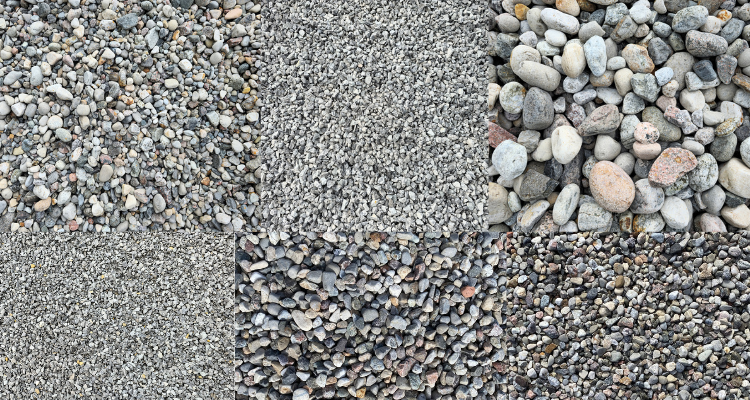
Choosing the right type of landscaping rocks depends on your project goals, whether you’re enhancing your garden’s appearance, creating pathways, or addressing drainage issues. Let’s explore the different types of landscaping rocks:
1. Decorative Rocks
These rocks are used primarily for visual appeal. They come in various shapes, sizes, and colours to suit your design needs. Some examples of decorative rocks include:
- River Rocks: These are smooth, rounded stones in various colours like grey, brown, and cream. They’re perfect for creating serene water features, pathways, or as accents in flower beds.
- Pebbles: Smaller stones that provide texture and colour variation when spread across garden beds or walkways. They’re great for creating a subtle, natural aesthetic.
- Crushed Stone: Angular rocks that are perfect for creating a clean, structured look. Crushed stone can be used in modern landscapes or to create hardscaping elements like patios or driveways.
2. Functional Rocks
These rocks are larger and provide more substantial benefits to your landscape. They are typically used for practical purposes such as erosion control, pathways, or retaining walls.
- Boulders: Large, heavy rocks used to create visual interest, form natural barriers, or retain soil on slopes. They’re often used as focal points in gardens or around water features.
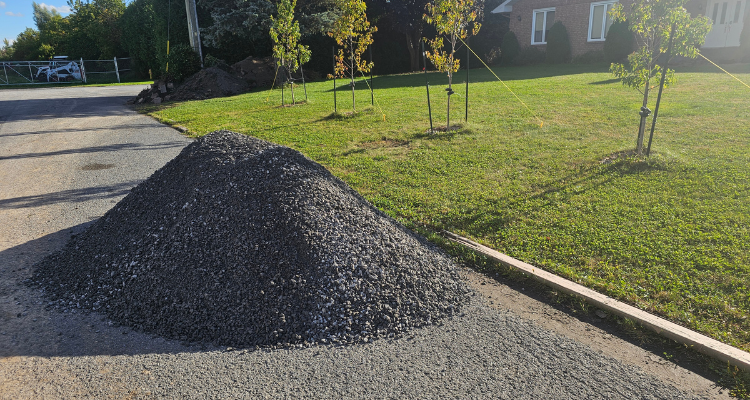
- Gravel: Crushed rock that’s small enough to be spread evenly on driveways, walkways, or in garden beds. Gravel also helps with drainage, allowing water to flow through and preventing pooling.
3. Specialty Rocks
Specialty rocks bring a unique touch to your landscape. These types of rocks often have a specific look or functional benefit:
- Lava Rocks: Known for their porous and lightweight nature, lava rocks are often used for drainage solutions in flower beds and for aesthetic purposes in gardens. They can also be used to create a modern or rustic look.
- Sandstone: A sedimentary rock that is ideal for creating natural-looking pathways or retaining walls. It comes in warm hues such as tan, beige, and red, blending perfectly with the natural landscape.
Factors to Consider When Choosing Landscaping Rocks
When choosing landscaping rocks, there are several factors to take into account to ensure that your selection complements your landscape and meets your functional needs.
1. Climate and Local Environment
The local climate of Russell, Ontario, plays an important role in determining which landscaping rocks are best for your yard.
For example, river rocks are ideal for moist areas where water retention is needed, while gravel is perfect for areas prone to heavy rainfall because it allows for quick water drainage. Understanding your yard’s microclimate is crucial when making the right selection.
2. Purpose of the Rocks
Consider how you intend to use the rocks:
- Aesthetic Purposes: If you’re focusing on the visual appeal of your garden or outdoor space, decorative rocks like river rocks and pebbles will enhance the beauty of your landscape.
- Functional Purposes: For purposes such as creating walkways or controlling erosion, you’ll want more functional rocks like gravel or boulders.
- Combination: Many homeowners use a combination of both, creating visual interest while also addressing drainage or erosion issues.
3. Maintenance and Durability
Landscaping rocks are known for being low maintenance, but some require more care than others. For example, larger rocks such as boulders are virtually maintenance-free, while smaller stones like gravel may need to be replenished or redistributed after a few years, especially in high-traffic areas.
Durability is another important factor. Some rocks, like sandstone, are softer and can wear down over time, while others, like granite or basalt, are highly durable and resistant to weathering.
4. Colour and Texture
The colour and texture of your landscaping rocks should complement the rest of your landscape design. Light-colored rocks like white marble can brighten up your garden, while darker rocks like basalt can create a more grounded and dramatic effect.
Pay attention to how the rock textures, smooth, rough, or angular, fit with the overall look you’re aiming for.
5. Size and Shape
Larger rocks are better suited for creating focal points or borders, while smaller rocks are ideal for ground cover and decorative accents.
The size and shape of your rocks should also take into account the area’s function. For example, smaller gravel works better for pathways, while large boulders make an impact when used in retaining walls or as garden features.
Popular Landscaping Rocks for Russell Homeowners
Russell homeowners often prefer landscaping rocks that fit well with the local climate and the desired aesthetics of their gardens. Here are a few of the most commonly used types of rocks:
Limestone
Limestone is a popular choice for homeowners in Ontario due to its durability and natural, earthy tones. It works well for a variety of landscaping needs, from driveways and pathways to garden borders. It’s easy to maintain and complements both traditional and modern landscape designs.
River Rock
River rock is highly popular in Russell because of its smooth texture and range of colours. These rocks are perfect for pathways, water features, or as ground cover in garden beds. The natural look of river rocks adds a peaceful and serene atmosphere to any garden.
Gravel and Crushed Stone
Gravel is commonly used for driveways, paths, and drainage purposes. Its versatility makes it an excellent option for various landscaping projects. Crushed stone, with its sharp edges, is especially useful for creating a compact surface in areas that require extra stability.
How to Properly Install Landscaping Rocks
Proper installation of landscaping rocks is essential for achieving a neat and long-lasting design. Follow these steps to ensure your rocks stay in place and continue to add beauty to your yard:
1. Prepare the Area
Clear any existing plants or debris from the area where you want to install rocks. This ensures that your rocks have a solid foundation and prevents weeds from growing through.
2. Lay a Base Layer
For larger rocks or gravel, it’s recommended to lay down a layer of landscaping fabric or a few inches of crushed stone to provide extra stability and prevent weeds from growing.
3. Spread the Rocks
Once the base is ready, begin spreading the rocks evenly across the area. For larger rocks like boulders, arrange them in a way that looks natural and complements the layout of your landscape.
4. Maintenance Tips
Over time, you may need to adjust or replenish the rocks to maintain their appearance. Gravel may shift in high-traffic areas, and river rocks may need cleaning to remove dirt or debris. Regular upkeep will keep your landscaping rocks looking fresh.
Where to Buy Landscaping Rocks in Russell
If you’re looking for high-quality landscaping rocks in Russell, look no further than Nick’s Landscaping Depot. They offer a wide variety of landscaping rocks, from decorative river rocks to functional gravel and boulders, all at competitive prices.
With convenient delivery options and expert advice, Nick’s Landscaping Depot is the go-to supplier for homeowners in Russell.
Conclusion
Choosing the right landscaping rocks can transform your outdoor space, adding both beauty and functionality. Whether you’re looking to improve drainage, create a peaceful garden, or add a bold focal point, the right rocks will make a significant difference.
By understanding the various types of rocks, considering your landscape’s needs, and ensuring proper installation, you can achieve a stunning and durable outdoor design.
About Us
At Nick’s Landscaping Depot, we specialize in providing high-quality landscaping materials to homeowners in Russell and the surrounding areas. With a focus on customer satisfaction and a wide selection of products, we are committed to helping you create the perfect outdoor space.
From bulk topsoil to decorative rocks, we offer the best materials for all your landscaping needs. For personalized advice, fast delivery, and competitive pricing, contact us today!